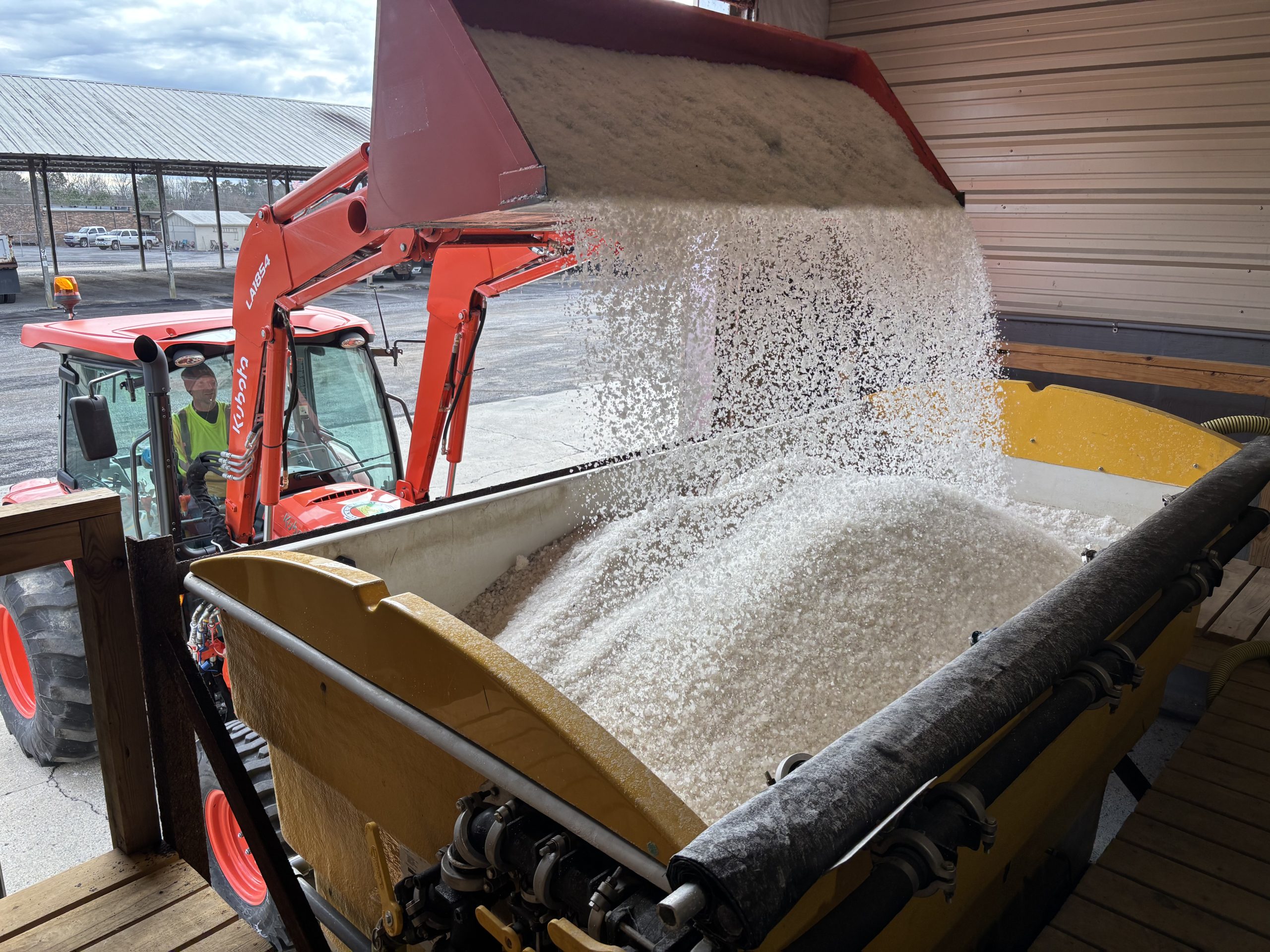
ALDOT pretreated most state routes in North Alabama in the lead up to this weekend’s anticipated winters storm.
The pretreatment coverage, by county, in ALDOT’s North Region follows:
- Colbert/Lauderdale/Franklin/Lawrence/Limestone/Morgan — all lanes and bridges of all state routes
- Madison — At least one lane in each direction on all routes and bridges and all lanes on I-565, US-431 in Huntsville’s medical district, US-431 on Monte Sano and US-72 on Chapman Mountain
- Jackson — At least one lane in each direction on US-72, highways on mountainsides and other known problem areas and bridges
- DeKalb — At least one lane in each direction on I-59, highways on mountainsides and other known problem areas and bridges
- Cherokee — Highways on mountainsides and other known problem areas and bridges
- Cullman — All lanes and bridges on interstates and major routes treated
- Marshall — At least one lane in each direction on major routes and hillsides and other known problem areas on other routes
- Etowah — known problem areas
The pretreatment coverage, by county, in ALDOT’s West Central Region follows:
- Marion/Winston/Northern Lamar/Northern Fayette counties — primary routes, bridges and known hot spots have been treated.
- The remaining northern counties will be treated as conditions dictate.
Pretreatment plans may differ for other regions with potentially-affected counties. The National Weather Service has issued a ice storm warnings for three northwestern counties and a winter storm warning for 16 other counties, and Gov. Kay Ivey issued a state of emergency for these 19 counties.
ALDOT reminds the public that pretreatment is not guaranteed to be effective at melting ice and snow or preventing ice from bonding to pavement. Results can vary based on temperatures, types and amounts of frozen precipitation, and whether rain precedes wintry precipitation.